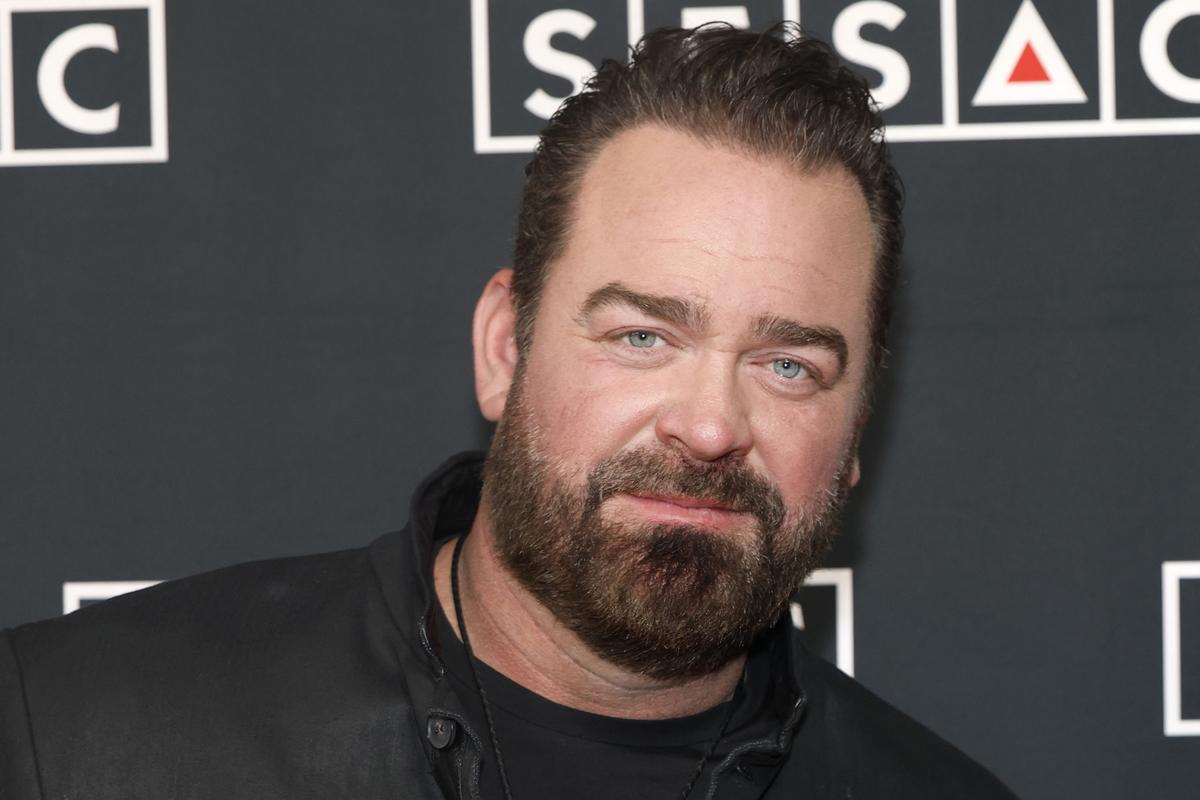
Exploring Lee Brice's 'Country Nowadays' Message on Modern Life
Lee Brice, known for his resonant voice and relatable storytelling, has once again struck a chord with his poignant new track, "Country Nowadays." This song isn't just a catchy tune; it's a powerful and often polarizing commentary on the challenges of maintaining traditional values and a "country" identity in an increasingly complex and rapidly changing world. Penned by Brice himself alongside Matt Alderman and Nate Kenyon, the song quickly garnered significant attention, sparking debate and deep reflection among fans and critics alike.
From its initial performance at Turning Point USA’s All-American Halftime Show to its highly anticipated release, "Country Nowadays" has tapped into a palpable sense of cultural anxiety, articulating the frustrations felt by many who perceive their way of life as under siege. The
Lee Brice Country Nowadays Lyrics serve as a mirror, reflecting a specific viewpoint on modern issues, from gun rights to gender identity and the pervasive shadow of "cancel culture."
Deconstructing the 'Country Nowadays' Message: A Deep Dive into the Lee Brice Country Nowadays Lyrics
At its heart, "Country Nowadays" paints a vivid picture of a longing for simpler times, juxtaposed against the overwhelming realities of the present. Brice’s lyrics open with a desire for uncomplicated pleasures: "
I just want to catch my fish / drive my truck drink my beer / And not wake up to all this stuff / I don’t want to hear." This yearning for peace and quiet instantly resonates with anyone feeling bombarded by daily news cycles and societal pressures.
The song then delves into more contentious territory, revealing the nuanced struggles faced by the narrator:
-
Gun Violence vs. Heritage: Brice confronts the issue of gun ownership head-on, lamenting, "Like the same kind of gun I hunt with / just killed another man / Only thing mine ever shot was a / deer from my dear Stand." This line is particularly powerful, highlighting a conservative individual's internal conflict and desire to distinguish their responsible use of firearms from the tragic misuse by others. It challenges simplistic narratives around gun control by showing the personal connection many have to hunting and tradition.
-
"Cancel Culture" and Gender Identity: Perhaps the most incendiary lines in the song tackle the sensitive topic of gender identity and the fear of social retribution: "Be told if I tell my own daughter that / little boys ain’t little girls / I’d be up the creek in hot water / in this cancel-your ass-world." This excerpt has been a major flashpoint, directly addressing the anxieties surrounding evolving social norms and the perceived threat of being "cancelled" for expressing traditional views. This sentiment echoes previous controversies in country music, such as the social media feud between Jason Aldean and Maren Morris over gender identity in 2022.
-
Patriotism and Disrespect: The lyrics also touch upon a sense of dismay at the perceived disrespect for national symbols: "Not get a picture of a flag up in flames / while people cheer / Oh the same one my granddaddy / fought for Stomped on his trash." This illustrates a deep-seated reverence for military service and national pride, expressing sorrow and anger at what is seen as desecration.
-
Misunderstanding and Stereotyping: A recurring theme is the feeling of being unfairly judged: "Saying I’m some right-wing devil / Because I was down South Jesus raised" and "because I have my morals / in the small town point of view / You assume that you don’t like me / means that I don’t like you too." These lines encapsulate the frustration of being pigeonholed and misunderstood, highlighting a perceived breakdown in civil discourse where differing viewpoints are automatically equated with animosity.
The chorus, "
It ain’t easy being country / In this country nowadays," encapsulates the song's central thesis, articulating a widespread sentiment of cultural alienation. For a deep dive into the initial public discourse, you can read more about
Lee Brice's 'Country Nowadays' Lyrics Spark Heated Debate.
The Spark of Controversy: Social Media, Gender Identity, and Political Undertones
The reaction to "Country Nowadays" was immediate and intense. Brice's decision to perform a significant clip of the song at Turning Point USA’s All-American Halftime Show on February 8th provided a prominent platform, but also positioned the song firmly within a political context. Social media comments quickly revealed a stark divide in sentiment. While many fans resonated deeply with the lyrics, seeing their own thoughts and feelings validated, others sharply criticized the song for its perceived lack of empathy and its alignment with a divisive political agenda.
The particular line about gender identity was a lightning rod for criticism. While Brice and his co-writers reportedly sought nuance, this specific phrasing proved to be highly contentious. It ignited discussions about whether country music artists have a responsibility to address contemporary social issues, and if so, how. The song’s narrator identifies as a conservative struggling with gun violence, adding a layer of complexity often missing in highly polarized discussions. However, the song's overall message, particularly the chorus, prompted valid counter-arguments from various communities, with many asking: "Try being country when you’re Black, or Hispanic, or even when you’re a woman." This critical perspective highlights that the "country experience" is not monolithic and can be vastly different depending on one's identity.
Despite the mixed reactions to its live performance, Brice's later social media posts promoting the song's pre-save option often garnered overwhelmingly positive responses, indicating a strong, dedicated fanbase eager to embrace his message.
Beyond the Headlines: Understanding the Cultural Conversation
"Country Nowadays" is more than just a song; it's a cultural artifact that reflects and influences ongoing societal conversations. Country music has long been a genre that gives voice to the experiences and values of a significant segment of America, particularly those in rural and Southern communities. When an artist like Lee Brice, known for his authenticity, releases a song with such explicit social commentary, it inevitably sparks broader dialogue.
The song forces listeners to confront fundamental questions about identity, belonging, and the pace of cultural change.
-
The Power of Validation: For many, the song acts as a powerful source of validation, affirming that their struggles and perspectives are real and shared by others. This sense of solidarity is a core reason why such songs resonate deeply and garner fierce loyalty.
-
Bridging or Widening Divides: While songs like this can galvanize a specific group, they can also unintentionally widen the gap between different segments of society. The challenge lies in how these conversations are approached. Can the song initiate a dialogue that fosters understanding, or does it merely reinforce existing echo chambers?
-
The Importance of Empathy: To move beyond mere polarization, it's crucial to acknowledge the underlying fears and values that drive different viewpoints. Whether one agrees with Brice's lyrical stance or not, understanding the sentiment behind "It ain’t easy being country in this country nowadays" is vital for constructive social dialogue.
Understanding the complex reception requires looking at the diverse reactions across different demographics. For more insights into how various groups responded, explore
Inside the Mixed Reactions to Lee Brice's 'Country Nowadays' Song.
The Enduring Appeal of 'Country Nowadays' for a Segment of Fans
For its target audience, "Country Nowadays" is a deeply authentic and necessary piece of art. Its enduring appeal for this segment lies in several key aspects:
-
Authenticity and Relatability: Lee Brice's reputation as a singer-songwriter who lives the life he sings about adds immense credibility. The imagery of cutting grass, feeding dogs, and wearing boots speaks directly to a lifestyle that many hold dear.
-
Voice for the Voiceless: The song articulates feelings that many individuals in conservative or rural communities feel unable to express in mainstream discourse without fear of judgment or "cancellation." It provides a platform and a voice for grievances often dismissed or ridiculed elsewhere.
-
Validation of Traditional Values: In a world that often seems to be moving away from traditional values, the song offers reassurance and validation that these perspectives are still valid and held by many. Issues like gun rights, traditional gender roles, and patriotism are deeply ingrained values for this demographic.
-
A Call for Understanding: While divisive to some, for its supporters, the song is also a plea for understanding—a request for others to recognize the challenges of their specific identity and point of view in modern America.
The song's power lies in its ability to tap into a collective psyche, giving words to unspoken frustrations and solidifying a sense of shared identity among a significant portion of the country music fanbase.
Conclusion
Lee Brice's "Country Nowadays" stands as a powerful testament to the ongoing cultural shifts and divides within America. Through the raw and honest
Lee Brice Country Nowadays Lyrics, the song explores the anxieties of maintaining a "country" identity in a rapidly evolving societal landscape. While undoubtedly controversial for its direct engagement with sensitive topics like gender identity and "cancel culture," it undeniably resonates with a large audience who feel their values and way of life are increasingly challenged. Whether it will be released as an official single remains to be seen, but its impact is already clear. "Country Nowadays" serves as an important piece of social commentary, prompting essential, albeit sometimes uncomfortable, conversations about tradition, progress, and the search for common ground in a nation grappling with its diverse identities.