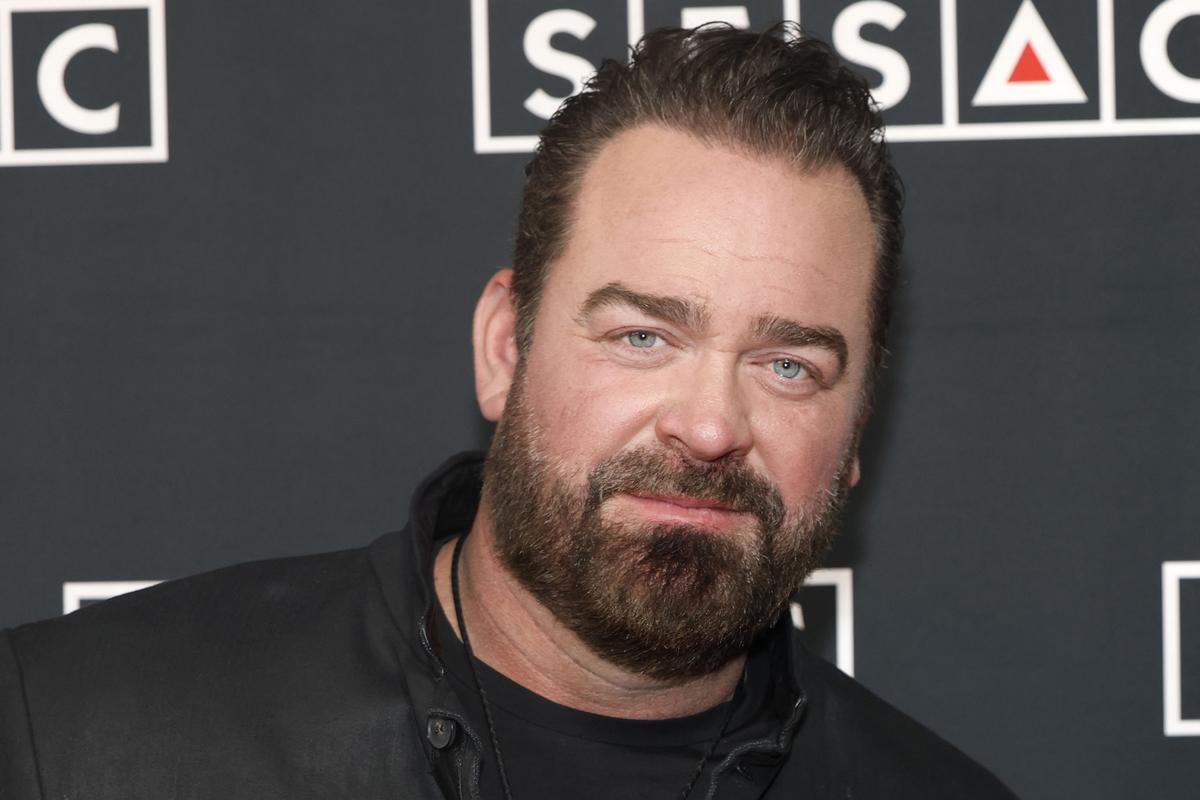
Inside the Mixed Reactions to Lee Brice's 'Country Nowadays' Song
Lee Brice, a name synonymous with heartfelt ballads and robust country anthems, recently dropped a new track that has stirred the waters of both the country music scene and broader cultural discussions. Titled 'Country Nowadays,' the song, penned by Brice himself alongside Matt Alderman and Nate Kenyon, delves into the frustrations and perceived challenges of living a traditional "country" lifestyle in a rapidly changing world. However, far from being a universally embraced lament, the Lee Brice Country Nowadays Lyrics have ignited a firestorm of mixed reactions, sparking debate, praise, and criticism in equal measure.
The song first gained significant traction following Brice's performance at Turning Point USA’s All-American Halftime Show on February 8th, and subsequent availability for pre-save. This initial exposure, particularly the venue, immediately set the stage for a politically charged reception. While many fans resonated deeply with its message, others found its sentiments problematic, highlighting the growing chasm in modern American discourse.
Deciphering the Lee Brice Country Nowadays Lyrics: A Deep Dive into its Core Message
At its heart, 'Country Nowadays' is a poignant reflection on a yearning for simpler times and a frustration with contemporary societal complexities. Brice's lyrics paint a vivid picture of a man who desires nothing more than the quintessential country life, free from the incessant noise and judgment of the modern world.
The Longing for Simplicity and Personal Freedom
The opening lines immediately establish this desire for uncomplicated living:
"I just want to catch my fish, drive my truck, drink my beer / And not wake up to all this stuff I don’t want to hear."
This verse encapsulates a longing for personal space and a retreat from the overwhelming deluge of information and social demands. It speaks to a universal human desire to unplug and focus on what matters most to an individual, whether it's leisurely pursuits, tending to one's property, or simply enjoying the company of loved ones. The recurring themes of cutting grass, feeding dogs, and wearing boots further cement this imagery of a grounded, unpretentious existence.
Navigating Modern Societal Tensions: Gun Violence to Cancel Culture
As the song progresses, Brice dives headfirst into more contentious territory, articulating specific grievances that many who identify with a "country" or conservative viewpoint often express. He touches upon the painful paradox of gun ownership:
"Like the same kind of gun I hunt with / just killed another man / Only thing mine ever shot was a / deer from my dear Stand."
Here, Brice acknowledges the tragic reality of gun violence while attempting to distance the responsible hunter's firearm from the weapon of a killer. It highlights a conservative perspective that differentiates between legal, responsible gun ownership for sport or protection and its misuse in violent crime.
However, it is Brice's direct confrontation with what he perceives as "cancel culture" and the broader debate around gender identity that truly ignites the most passionate responses:
"Be told if I tell my own daughter that / little boys ain’t little girls / I’d be up the creek in hot water / in this cancel-your ass-world."
This specific lyric has become a focal point of discussion, directly addressing a conversation that has dominated cultural headlines, particularly within country music. It reflects a sentiment of exasperation over perceived restrictions on free speech and traditional viewpoints, where expressing what some consider basic biological facts can lead to public condemnation.
Further frustrations are voiced concerning patriotism and political labeling:
"Not get a picture of a flag up in flames / while people cheer / Oh the same one my granddaddy / fought for Stomped on his trash."
"Saying I’m some right-wing devil / Because I was down South Jesus raised."
These lines articulate a feeling of being misunderstood and unfairly judged for deeply held values, connecting personal faith and regional identity to broader political accusations. The chorus, "It ain’t easy being country / In this country nowadays," serves as a powerful, repeated refrain, summarizing the narrator's core struggle.
The Spark of Controversy: Why Lee Brice's 'Country Nowadays' Lyrics Sparked Heated Debate
The mixed reactions to 'Country Nowadays' are a microcosm of the larger cultural divisions in America today. While many fans have enthusiastically embraced the song as an anthem of their own frustrations, others view it as exclusionary, divisive, or even harmful.
The Gender Identity Flashpoint
The line about "little boys ain't little girls" is undeniably the most contentious element of the Lee Brice Country Nowadays Lyrics. This specific sentiment taps into an ongoing, highly sensitive debate about gender identity, trans rights, and parental rights in education. Country music has seen similar controversies before, notably the heated social media feud between Jason Aldean and Maren Morris over gender identity in 2022. For many, Brice's lyric is a validation of traditional gender views, a defiant stand against what they see as cultural overreach. For others, it's a harmful dismissal of trans individuals' identities and a perpetuation of prejudice, especially when presented in a public forum and amplified by a popular artist.
Perceived Distancing vs. Authentic Frustration
Critics have also pointed to the song's general tone, suggesting that while it highlights the narrator's struggles, it simultaneously distances itself from the hardships faced by others. The line "tries to distance himself from bad news that so many others are living" in the context provided, implies a potential lack of empathy or a selective focus on a particular set of grievances. For some listeners, the struggles of being "country" as described might seem trivial compared to systemic issues of inequality or violence that affect other communities.
Whose "Country Nowadays" Is It?
Perhaps the most significant counter-argument to the song's chorus, "It ain’t easy being country / In this country nowadays," is the question of perspective. As noted in the reference context, this line "begs for this response: try being country when you’re Black, or Hispanic, or even when you’re a woman." This critical viewpoint highlights that the "country" experience is not monolithic. For marginalized groups living in rural areas, the challenges extend far beyond political polarization or perceived threats to traditional values. It speaks to the importance of intersectionality and recognizing that different identities within the "country" demographic face unique and often more profound difficulties.
Behind the Scenes: Crafting a Cultural Commentary
The creation and rollout of 'Country Nowadays' offer interesting insights into how artists navigate social issues. Co-written with Matt Alderman and Nate Kenyon, the song's lyrical depth suggests a collaborative effort to articulate complex feelings. It's not just a simplistic rant; it attempts to voice a nuanced frustration, even if that nuance is lost on some listeners.
The Platform: TPUSA and Broader Implications
Lee Brice's decision to debut 'Country Nowadays' at the Turning Point USA’s All-American Halftime Show is highly significant. TPUSA is a conservative organization known for its strong political stance, particularly among young people. Performing the song at such an event signals a clear alignment with conservative values and likely amplified its resonance with an audience already predisposed to its message. This strategic choice undoubtedly contributed to the "resoundingly positive" social media response seen for the pre-save announcement among a specific segment of his fanbase, while simultaneously solidifying the opposition from others.
The Broader Impact: Lee Brice, Country Music, and Cultural Dialogue
Regardless of one's personal take on the Lee Brice Country Nowadays Lyrics, the song has undeniably carved out a significant space in contemporary cultural dialogue. It serves as a potent reminder that music, particularly country music, often acts as a mirror reflecting the social and political undercurrents of its time.
The Power of Song in Modern Discourse
Songs like 'Country Nowadays' demonstrate the immense power of music to articulate deeply held beliefs and frustrations. They offer a voice to those who feel unheard and can validate experiences that feel marginalized. For many, Brice's song is not just entertainment, but a powerful act of solidarity and a call for understanding.
Navigating Artistic Expression in a Divided Landscape
For artists, creating music that touches on sensitive societal issues comes with inherent risks and rewards. While taking a strong stance can alienate a segment of the audience, it can also solidify a powerful connection with another. Brice's choice to release 'Country Nowadays' highlights a growing trend in country music where artists are increasingly willing to engage directly with political and social commentary, sometimes at the expense of broad appeal but often in favor of deeper authenticity with their core fanbase.
- For Listeners: Engaging with such music requires an open mind, whether in agreement or disagreement. It’s an opportunity to understand different perspectives, even if you don't share them.
- For Artists: While authentic expression is vital, understanding the potential impact and different interpretations of your message is key in an increasingly interconnected and often polarized world.
While it remains to be seen if 'Country Nowadays' will be released as an official single (his current radio single is the clever love song "Killed the Man"), its impact as a cultural touchstone is already secure. It forces a conversation about identity, values, and the meaning of being "country" in modern America.
In conclusion, Lee Brice's 'Country Nowadays' is more than just a song; it's a commentary on the complex tapestry of modern American life through the lens of traditional country values. The Lee Brice Country Nowadays Lyrics have resonated deeply with a segment of the population feeling unheard, while simultaneously drawing sharp criticism for its perceived divisiveness and limited perspective. It stands as a testament to the enduring power of music to reflect, challenge, and ultimately shape the ongoing cultural conversations of our time.