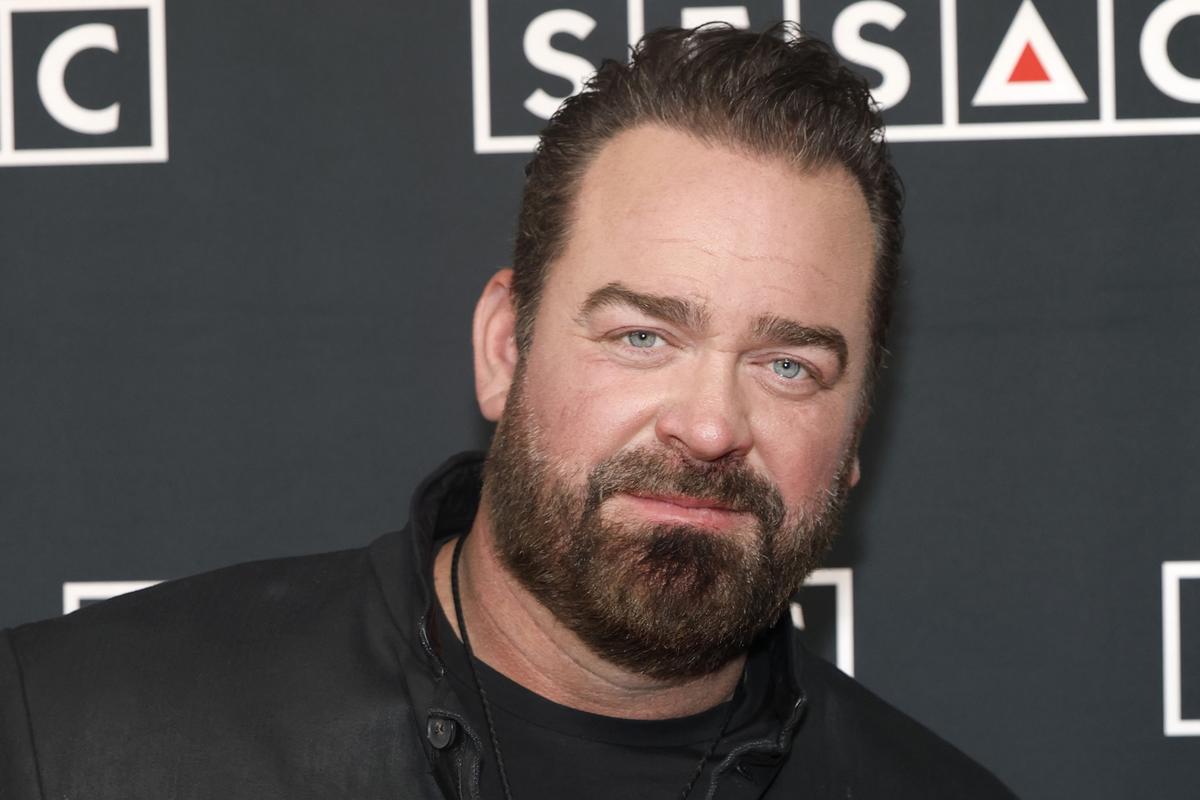
Lee Brice's 'Country Nowadays' Lyrics Spark Heated Debate Among Fans and Critics
Country music, at its core, has always served as a mirror reflecting the lives, values, and struggles of a significant segment of American society. Often, this reflection is met with understanding and camaraderie, but sometimes, it ignites a firestorm of discussion and disagreement. Such is the case with Lee Brice's eagerly anticipated track, "Country Nowadays." The raw, unfiltered sentiments expressed in the Exploring Lee Brice's 'Country Nowadays' Message on Modern Life have resonated deeply with many, while simultaneously drawing sharp criticism from others, sparking a heated debate that highlights the cultural fault lines running through contemporary America.
Known for his distinctive voice and heartfelt storytelling, Brice unveiled a significant snippet of the song during his performance at Turning Point USA’s All-American Halftime Show, immediately setting social media ablaze. The powerful Inside the Mixed Reactions to Lee Brice's 'Country Nowadays' Song underscore a specific perspective on modern life, capturing the frustrations of those who feel increasingly out of step with prevailing cultural narratives. As the song awaits its official release, the snippets alone have ensured its place at the center of a vital national conversation.
Deconstructing the 'Country Nowadays' Lyrics: A Cry from the Heartland
The essence of the controversy lies squarely within the carefully chosen words penned by Brice himself, alongside co-writers Matt Alderman and Nate Kenyon. The lyrics paint a picture of a man yearning for simpler times, a world less burdened by constant societal friction and judgment. The opening verses establish this desire for an uncomplicated existence:
"I just want to catch my fish, drive my truck, drink my beer
And not wake up to all this stuff I don’t want to hear
Like the same kind of gun I hunt with just killed another man
Only thing mine ever shot was a deer from my deer stand."
These lines immediately introduce a complex theme: the everyday reality of gun ownership in rural communities contrasted with the broader issue of gun violence. The narrator expresses a personal connection to a tool for sustenance and sport, while lamenting its association with tragedy. This early attempt at nuance, identifying as a conservative while struggling with gun violence, suggests a desire to transcend simplistic political labels, though the song's later verses lean more explicitly into cultural commentary.
Navigating Gender Identity and "Cancel Culture"
The most incendiary part of the Lee Brice Country Nowadays Lyrics, and the one that has garnered the most attention and backlash, directly confronts the highly sensitive topic of gender identity and the perceived threat of "cancel culture":
"I just want to cut my grass, feed my dogs, wear my boots
Not turn the TV on, sit and watch the evening news
Be told if I tell my own daughter that little boys ain’t little girls
I’d be up the creek in hot water in this cancel-your ass-world."
This stanza strikes at the heart of a contentious cultural debate, reflecting a sentiment felt by many who believe traditional views on gender are being suppressed or vilified. For a significant portion of country music's audience, this fear of being "canceled" for expressing what they consider common sense resonates deeply. It's a raw articulation of a feeling of powerlessness against a rapidly shifting cultural landscape, where previously accepted beliefs are now labeled as controversial or even hateful. This specific lyrical choice immediately drew comparisons to previous country music skirmishes over gender identity, such as the widely publicized feud between Jason Aldean and Maren Morris in 2022, reminding fans how potent and polarizing this issue remains within the genre.
Patriotism, Morals, and the Rural Perspective
Brice further explores themes of patriotism, moral values, and the perceived judgment faced by those holding a "small town point of view." The lyrics convey a sense of being unfairly demonized:
"Not get a picture of a flag up in flames while people cheer
Oh the same one my granddaddy fought for stomped on his trash
And I’m a downright hateful monster I’m back to blue and badge
It ain’t easy being country in this country nowadays
The direction the finger’s pointing when everything goes up in flames
Saying I’m some right-wing devil because I was down South Jesus raised."
Here, Brice touches upon deeply held reverence for national symbols, connecting it to ancestral sacrifice. The imagery of a flag in flames, cheered on, evokes a sense of betrayal and disrespect for military service. He then laments being branded a "right-wing devil" simply for his upbringing and moral compass rooted in Southern, faith-based values. This narrative speaks to the frustration of feeling misunderstood and unfairly stereotyped, particularly for those whose identity is closely tied to their "country" roots and traditions.
The Performance and Initial Reactions: A Glimpse into the Divide
Lee Brice's decision to debut a significant portion of "Country Nowadays" at Turning Point USA’s All-American Halftime Show on February 8th was a strategic move that amplified its impact. Turning Point USA is a conservative student organization, and performing for their audience ensured that the song's message would be received by those most likely to agree with its sentiments. This particular performance marked the only instance among the four performers where controversy was directly addressed, underscoring Brice's willingness to engage with these sensitive topics head-on.
Predictably, the initial social media response was a microcosm of the wider societal divide. Comments on platforms promoting the song revealed a mixed bag of opinions. While many embraced the sentiment, expressing relief and gratitude that an artist was vocalizing their own feelings, others vehemently rejected it, finding the lyrics divisive and exclusionary. Interestingly, Brice's own posts announcing the song's availability for pre-save elicited a resoundingly positive reaction, suggesting a strong base of support among his direct followers. This highlights the "echo chamber" effect of social media, where communities with shared views often reinforce each other.
Social Media's Unfiltered Arena
The immediate, passionate responses online underscore the power of music to act as a catalyst for discussion. In the age of instant feedback, artists are immediately confronted with the spectrum of public opinion. While the lyrics aim to portray a feeling of being judged and misunderstood, the online discourse itself often mirrors this exact dynamic, with both supporters and detractors Quick to label and interpret the artist's intentions. This unfiltered arena provides immediate insight into public sentiment but can also obscure the nuances that the songwriters (Brice, Alderman, and Kenyon) reportedly tried to imbue in the track's early stages.
Broader Context: Why These Lyrics Resonate (and Irritate)
The polarizing reaction to the Lee Brice Country Nowadays Lyrics isn't an isolated incident; it's deeply embedded in broader cultural and political fault lines that have intensified in recent years. The song taps into a profound sense of cultural anxiety experienced by many who perceive traditional values to be under attack or dismissed as outdated. For these listeners, Brice articulates a frustration that they often feel unable to voice without fear of reprisal or ostracization.
However, the song's explicit framing also risks alienating other segments of society. The chorus, "It ain’t easy being country / In this country nowadays," while designed to evoke sympathy for a particular demographic, has prompted a critical counter-narrative. Many commentators have rightly pointed out that the experience of being "country" is far from monolithic. For individuals who are Black, Hispanic, LGBTQ+, or even women living in rural areas, the challenges of "being country" can be compounded by issues of systemic discrimination, economic inequality, and social marginalization. From this perspective, the song's narrative might appear tone-deaf or even dismissive of diverse struggles, potentially overlooking the very real difficulties faced by those who don't fit the traditional mold of a white, conservative, rural male.
Echoes of Past Debates in Country Music
Country music has a long history of reflecting social conservatism and traditional values, often positioning itself as an antidote to perceived liberal cultural shifts. This isn't the first time an artist has waded into such contentious waters. Beyond the Aldean/Morris feud, figures like Toby Keith's post-9/11 anthems or more recent songs from artists like Aaron Lewis have similarly sparked debate by addressing patriotism, perceived threats to traditional American identity, and political grievances. The genre's ability to act as a voice for a specific cultural viewpoint is both its strength and, at times, its source of division.
The anticipation surrounding the full release of "Country Nowadays" indicates that its impact will only grow. Whether it is officially released as a single or simply circulates as a powerful statement, the song has already achieved its goal of sparking conversation and reflection on what it means to be "country" in an ever-evolving nation.
Conclusion
Lee Brice's "Country Nowadays" serves as a potent cultural artifact, encapsulating a specific sentiment of frustration and bewilderment felt by many in contemporary America. The Lee Brice Country Nowadays Lyrics, with their direct engagement on topics like gun ownership, gender identity, cancel culture, and patriotism, have undeniably tapped into a significant cultural nerve. While the song offers a sense of validation for those who share its viewpoint, it simultaneously highlights the deep divisions within society, prompting vital discussions about empathy, understanding, and the complexities of identity in a pluralistic nation. As artists continue to use their platforms to reflect the world around them, songs like "Country Nowadays" remind us of music's enduring power to not only entertain but also to challenge, provoke, and ignite necessary conversations about who we are and where we're headed.